
How to Read More Books in 2026: A Worked 12-Book Plan
Short answer: how to read more books in 2026 is twelve minutes a day. Twelve average books come to about 1,020,000 words, and at the average adult reading speed of 238 words a minute that is 71 hours across the year — about 12 minutes a day. This plan gives you 20 minutes a day, one book a month, and a real cost: $0 if you borrow them all, about $74 if you buy four and borrow eight.
The plan below is illustrative — one reader, one year, one book a month — with its arithmetic shown so you can swap in your own numbers. The reading speeds come from a 2019 meta-analysis of 190 reading-rate studies, the book counts from Gallup’s survey of American readers, and the prices from published 2026 retail ranges.
The Maths: 12 Books Is 12 Minutes a Day
Most reading plans fail before they start because they are built on a feeling — “read more” — instead of a number. So here is the number. A typical novel runs 80,000 to 90,000 words, so this plan uses 85,000 words as the midpoint. Twelve books at 85,000 words each is 1,020,000 words for the year.

Marc Brysbaert’s 2019 meta-analysis in the Journal of Memory and Language pooled 190 studies covering more than 18,000 readers and put the average adult silent reading speed at 238 words a minute for non-fiction and 260 for fiction. At 238 words a minute, 1,020,000 words takes 4,286 minutes — 71 hours and 26 minutes, or about 12 minutes a day. At the slower end of the typical range, 175 words a minute, the same twelve books take 97 hours, or about 16 minutes a day.
That is the whole secret, and it is smaller than most people expect. Gallup’s December 2021 poll found Americans read an average of 12.6 books in the past year — the lowest figure Gallup has measured since it started asking in 1990, down from 15.6 in 2016 — and 17 per cent read no books at all. Pew’s survey from the same period found the median American read about five books. Twelve books a year puts you ahead of the typical reader, and it costs about the same time as making coffee in the morning.
This plan budgets 20 minutes a day, not 12, because real life interrupts. Twenty minutes a day is 7,300 minutes a year, which at 238 words a minute covers about 1,737,000 words — roughly twenty average novels. The eight-book gap between what the plan needs and what the plan allows is the slack: sick weeks, holidays, a long book in August, a month when work eats your evenings. A plan with no slack is a plan that breaks in March.
The 12-Book List, Month by Month
One book a month, in this order. The list mixes fiction and non-fiction, classics and new releases, short books and one long one — because a year of only one kind of book is how reading plans die of boredom. Four of the twelve are bought as paperbacks, worth keeping; the other eight are borrowed. Swap any title for one you prefer, but keep the mix: a classic, a short one, a long one, and at least three non-fiction titles across the year.
| Month | Book | Format | Cost |
|---|---|---|---|
| January | Pride and Prejudice, Jane Austen | Library | $0 |
| February | The Great Gatsby, F. Scott Fitzgerald | Library | $0 |
| March | Atomic Habits, James Clear | Bought paperback | about $19 |
| April | The Midnight Library, Matt Haig | Library | $0 |
| May | Educated, Tara Westover | Library | $0 |
| June | Project Hail Mary, Andy Weir | Bought paperback | about $19 |
| July | The Seven Husbands of Evelyn Hugo, Taylor Jenkins Reid | Library | $0 |
| August | Sapiens, Yuval Noah Harari | Bought paperback | about $19 |
| September | The Thursday Murder Club, Richard Osman | Library | $0 |
| October | Circe, Madeline Miller | Library | $0 |
| November | A Gentleman in Moscow, Amor Towles | Library | $0 |
| December | The Silent Patient, Alex Michaelides | Bought paperback | about $19 |
January starts with Austen because a classic first sets the tone: this is a reading year, not a scrolling year. February is the shortest book on the list — The Great Gatsby runs about 180 pages, roughly 50,000 words, which at 238 words a minute is about ten days at 20 minutes a day. August is the opposite: Sapiens runs about 460 pages, roughly 127,000 words, which takes about 27 days at 20 minutes a day — nearly the whole month.
The four bought books are the ones you will want to keep. Atomic Habits is a book to write in; Project Hail Mary and Sapiens are books to lend to friends; The Silent Patient is the December reward, a thriller for the dark evenings. Everything else comes from the library, which is the point of the cost section below: the plan is built so that buying books is a choice, never a requirement.
What It Costs: Four Ways to Pay for 12 Books
The cheapest route is the library, and it is genuinely free. Libby, the app from OverDrive, lets you borrow ebooks and audiobooks with a library card — no subscription, no in-app purchases, no late fees, and loans return themselves on the due date. OverDrive says more than 90 per cent of public libraries in North America use its service. A library card also borrows the physical books on this list. Twelve books from the library cost $0, and that is not a trick: your taxes already pay for the service whether you use it or not.
The mixed route is the one this plan uses: eight library borrows and four bought trade paperbacks. Trade paperbacks in 2026 typically sell for $15.99 to $22.99, and a Book Riot sample of 19 trade paperback romances averaged $18.57. Four books at that average come to $74.28 — about $74 for the year, or $6.19 per book across all twelve. That is the headline cost of the plan: $74, and every book you finish after the fourth is free.
The all-new route is the most expensive and the simplest: buy all twelve as trade paperbacks at the same $18.57 average, which comes to $222.84 — about $223. The mass-market route is cheaper: mass-market paperbacks run $7.99 to $9.99, so twelve of them cost roughly $108, though not every title on the list is published in mass-market size. The subscription route sits in the middle: Kindle Unlimited costs $11.99 a month, which is $143.88 for the year — but not every book is on Kindle Unlimited, so that route means swapping titles to fit the catalogue.
Whichever route you take, the cost per book is the number to watch. At $74 for twelve books the plan costs $6.19 a book; at $223 it costs $18.57 a book; at $0 it costs nothing.
The Daily Habit: 20 Minutes, Same Time, Same Place
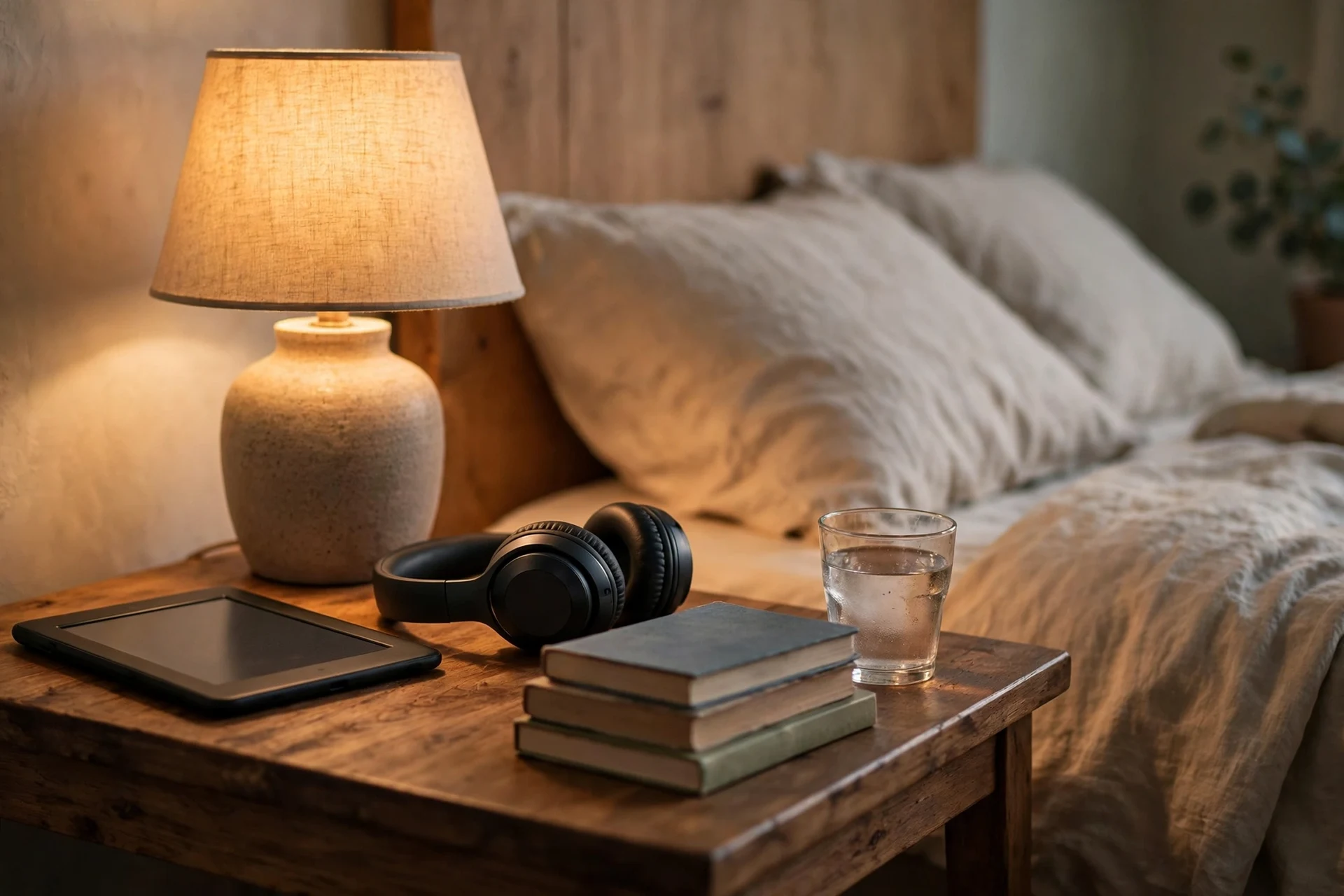
Twenty minutes a day works only if it has a fixed slot. Pick one and defend it: the first twenty minutes after breakfast, the commute, or the last twenty minutes before sleep. The slot matters more than the time of day, because a habit tied to a moment — after the kettle boils, on the 8.04 train — survives a bad week better than a habit tied to willpower. Put the book where the slot happens: on the pillow, in the bag, on the kitchen table. A book in another room is a book you will not read.
The phone is the only real enemy of the plan, and it needs a rule, not a lecture. Put it in another room for the twenty minutes, or face down on silent. The average book in this plan takes about six hours — 85,000 words at 238 words a minute is 357 minutes — which is 18 days at 20 minutes a day. Twelve books at 18 days each is 216 days, leaving 149 days of the year spare.
Read in the format that fits the slot. A paperback suits the armchair; an ebook suits the commute, because the phone is already in your hand and Libby costs nothing; an audiobook suits the walk, the drive, and the washing-up. The plan counts all three the same way, because the words are the same words. What the plan does not count is skimming summaries, watching a video about the book, or reading the first chapter three times. Those are not reading, and the maths does not work if you count them.
When You Fall Behind
You will fall behind. A holiday, an illness, a work deadline — something will take a week, and the plan will look broken. The rule is simple: never let a missed book become two missed books. Finish the one you are on before you start the next, even if it takes you into the following month, and let the spare 149 days absorb the delay.
If you are two books behind by June, do not double up. Swap a long book for a short one — replace Sapiens in August with a shorter non-fiction title — and keep the one-book-a-month rhythm. If you are three books behind by October, cut the list: finish nine books and call it a good year. Nine books is nearly double Pew’s median of five.
The other failure mode is the wrong book. If you have read 50 pages and you are forcing yourself through every paragraph, stop. Put it down, pick the next book on the list, and come back to the abandoned one later or not at all. The plan is twelve books you finished, not twelve books you suffered through. One abandoned book costs nothing; one book you hate costs you the habit.
Audiobooks Count Too
An audiobook is a book. The words are the same, the story is the same, and the time is real: an 85,000-word novel narrated at a typical pace of about 150 words a minute runs roughly nine and a half hours. That is the commute for a fortnight, or the washing-up for a month. Two audiobooks a month at that pace would finish the whole twelve-book list by July, which is why the plan allows them without apology.

Listen at normal speed first. Speeding an audiobook up to double speed halves the hours, and the point of the plan is books you remember, not books you survived. If a narrator is too slow, 1.25 speed is a fair compromise; beyond that, you are skimming with your ears. Borrow audiobooks from Libby before you buy them: the same free loan and the same auto-return.
One caution: audiobooks are the easiest format to half-listen to. If you catch yourself rewinding the same chapter three times, the book is not the problem — the moment is. Switch to print for that book, or save the audiobook for a walk with nothing else competing for your attention.
Key Takeaways
Twelve books is twelve minutes a day. Twelve average books are about 1,020,000 words, and at the average adult reading speed of 238 words a minute that is 71 hours a year. The plan budgets 20 minutes a day, which covers about twenty novels — the extra eight are slack for real life.
The library makes the plan free. Twelve books borrowed through the library or Libby cost $0. The mixed route in this plan — eight borrowed, four bought — costs about $74 for the year, or $6.19 a book. Buying all twelve as new trade paperbacks costs about $223.
One book a month, in a fixed twenty-minute slot. An average book takes about six hours, or 18 days at 20 minutes a day, leaving 149 days of the year spare. The phone goes in another room for those twenty minutes; the book goes where the slot happens.
Falling behind is part of the plan, not the end of it. Never let one missed book become two, swap a long book for a short one instead of doubling up, and abandon any book after 50 pages if you are forcing yourself through it. Nine finished books still beats the median American’s five.
Frequently Asked Questions
How long does it take to read 12 books in a year?
About 71 hours at the average adult reading speed of 238 words a minute, based on twelve books of about 85,000 words each — roughly 12 minutes a day. At the slower end of the typical range, 175 words a minute, the same twelve books take about 97 hours, or 16 minutes a day. This plan budgets 20 minutes a day, which is enough for about twenty average novels, so the twelve-book target leaves plenty of slack.
Do audiobooks count toward the 12 books?
Yes. The words are the same words, and an 85,000-word novel narrated at a typical pace of about 150 words a minute runs roughly nine and a half hours. Borrow them free from Libby with a library card before paying for a subscription, listen at normal speed first, and switch to print if you keep rewinding the same chapter — half-listened is not finished.
What if I only have 10 minutes a day to read?
Ten minutes a day is 3,650 minutes a year, which at 238 words a minute covers about 869,000 words — roughly ten average novels. You would finish ten books instead of twelve, which is still double Pew’s median of five books a year. The plan works at any daily minutes; the maths is the same, only the total changes.
Is it cheaper to use the library or buy the books?
The library is free: Libby costs nothing with a library card, with no late fees and loans that return themselves. The mixed route in this plan — eight borrowed, four bought — costs about $74 for the year. Buying all twelve as new trade paperbacks at the $18.57 average costs about $223, and twelve mass-market paperbacks cost roughly $108. Kindle Unlimited is $11.99 a month, or about $144 a year, but not every title is included.
What if I fall two or three books behind?
Do not double up. Finish the book you are on before starting the next, let the plan’s 149 spare days absorb the delay, and if you are still behind by mid-year, swap a long book for a shorter one rather than reading two at once. If you finish nine books instead of twelve, that is still nearly double the median American’s five — and a plan that bends survives.
How do I pick books I will actually finish?
Read the first 50 pages before committing, and abandon any book that feels like a chore after that — one abandoned book costs nothing, but a book you hate costs you the habit. Mix fiction and non-fiction, keep at least one short book in every quarter, and choose the next book before you finish the current one, so there is never a gap where the phone wins by default.
Sources
- Gallup, “Americans Reading Fewer Books Than in Past” — Americans read an average of 12.6 books in the past year in the December 2021 poll, the lowest Gallup has measured since 1990, down from 15.6 in 2016; 17 per cent read no books; women averaged 15.7 books, men 9.5. https://news.gallup.com/poll/388541/americans-reading-fewer-books-past.aspx — accessed 9 November 2026.
- Brysbaert, M. (2019), “How many words do we read per minute? A review and meta-analysis of reading rate”, Journal of Memory and Language, vol. 109, article 104047 — average adult silent reading speed 238 words a minute for non-fiction and 260 for fiction, 183 aloud; 190 studies, more than 18,000 participants. Reported at https://frateca.com/blog/average-reading-speed/ — accessed 9 November 2026.
- Pew Research Center, 2021 survey of American reading — median about 5 books a year, mean about 14. Reported at https://frateca.com/blog/how-many-books-does-the-average-person-read/ — accessed 9 November 2026.
- Book Riot, “We’re in a Book Affordability Crisis” — trade paperback romances averaged $18.57 across a 19-title sample; cheapest $15.99, dearest $21.99; mass-market paperbacks about $9.99; Kindle Unlimited $11.99 a month. https://bookriot.com/were-in-a-book-affordability-crisis/ — accessed 9 November 2026.
- Barker Books, “What Is the Average Paperback Price in 2026” — trade paperbacks $15.99 to $22.99; mass-market paperbacks $7.99 to $9.99. https://barkerbooks.com/average-paperback-price/ — accessed 9 November 2026.
- OverDrive, “Libby App: free ebooks & audiobooks from your library” — Libby is free to install with no subscription costs, no in-app purchases and no late fees; over 90 per cent of public libraries in North America use OverDrive. https://www.overdrive.com/apps/libby — accessed 9 November 2026.
- AliVentures, “How Long is a Novel … and How Long Should YOUR Novel Be?” — average novel about 80,000 to 90,000 words; roughly 250 words per page when formatted and published. https://www.aliventures.com/novel-how-long/ — accessed 9 November 2026.
Prices are US retail ranges for 2026 and will differ by store and region — verify at your own shop before budgeting. The worked plan is illustrative, built from the published figures cited above, not a real person’s reading log. Reading speeds are population averages from the cited meta-analysis; individual speeds vary widely, and the plan’s arithmetic is shown so you can rework it at your own pace.