

Best Cheap Hobbies That Actually Stick in 2026
Short answer: the best cheap hobbies that actually stick cost under $25 to start and take two to three hours a week — walking, sketching, baking, gardening from seed, reading from the library and bodyweight fitness. They are arranged below by what the first month costs, free first and $25 last, because the price of starting is usually what decides whether a hobby survives. Every price was checked in November 2026, and the worked examples are clearly labelled illustrative, so you can swap in your own numbers.
Most hobbies die in the first month, and the price is usually the reason. A guitar gathers dust by March; a craft subscription keeps charging after the box stops being opened. The six hobbies in this guide work the other way round. Each one starts for less than $25, fits into two or three hours a week, and produces something visible inside the first month — a sketch, a loaf, a sprout, a finished book.
Why Hobbies Fade: The Sticking Problem Comes First
Before the list, the problem. Hobbies fade for three reasons, and all three can be fixed before you spend anything. The first is a start cost that was too high. When you have spent $200 on a kit, quitting feels like waste, so you keep paying the subscription instead of stopping. The $25 cap in this guide removes that trap entirely: the most you can lose on any hobby here is a takeaway’s worth of money, and on two of them it is nothing at all.

The second reason is a vague time slot. “Sometime this week” means never, so fix the slot the way you would fix a meeting: sketching from 7.30 to 8.00 after dinner, or a walk at 7.00 every morning. A hobby with a slot gets done; a hobby with a wish gets postponed until the month is over.
The third reason is no visible result. A hobby with no finish line feels like homework, so pick ones that end in something — a loaf, a page, a chapter, a sprout. Every hobby in this guide ends in something you can see, eat or shelve inside the first month, which is why they survive the point where most hobbies die.
Two more rules protect the habit once it starts. Never pay a monthly fee before month three: a gym membership, a craft box or a premium app should wait until twelve weeks of doing it for free proves you will use it. And only upgrade your kit after three months of regular use — the better sketchbook, the heavier dumbbells, the second seed tray. There is also a quitting rule, and it is not a failure: if you have not done a hobby at least eight times in the first month, stop. The whole point of a cheap start is that quitting is cheap too.
Start With $0: Walking and Reading
Walking costs nothing. The shoes you already own are enough, the streets and parks you already have are the venue, and most local parks publish free trail maps. There is no kit to buy, no skill to learn first, and no appointment to keep. Three hours a week is the working amount — thirty minutes on six days, or three one-hour walks — and it can double as the trip to the shops.
It sticks because the friction is close to zero. You do not have to drive anywhere, book anything, or wait for anyone. It also pairs with a podcast, an audiobook or a phone call, so the time does double duty. The one real enemy is weather, and the answer is not to stop but to shrink the walk — a twenty-minute loop in the rain beats a cancelled hour. Starting takes only shoes and an open door.
Reading is the only hobby in this guide where the raw material is free. A library card costs nothing for residents at most US public libraries — free of charge, in the words of the Wisconsin Department of Public Instruction — and it covers books, ebooks and audiobooks. Some libraries charge non-residents — Ann Arbor charges $150 a year — so check your own library’s rules. For most readers the cost is zero, and the choice of book is the only hard part.
Thirty minutes a day is the working amount, 3.5 hours a week, and a 300-page novel takes about two weeks at that pace. The Bureau of Labor Statistics found that Americans aged 75 and over read for 46 minutes a day on average, while teenagers read for 9 minutes. Reading sticks because a finished book is a completed project every week or two. The one frustration is the hold list, so keep a second choice on the shelf.
Then $10 to $16: Sketching and Baking
Sketching is the cheapest creative hobby in this guide: the kit is two items. A Strathmore 200 Series sketch pad, 9 by 12 inches with 100 sheets, costs $6.99 on Amazon.com. A Staedtler Mars Lumograph 8-piece sketching set — six pencils in different grades, an eraser and a sharpener — costs $8.95 from Rainbow Resource. That is $15.94 in total, about $16, and there is nothing else to buy.
Three hours a week is the working amount, but ten minutes a day is the minimum useful dose. A sketch is finished in one sitting, so every session ends with something to look at. At a hundred sheets a pad, a bad page costs about seven cents, so there is no reason to be precious — the first pages will look rough, and that is normal. The pad lasts months at this pace, so the second and third months cost nothing.
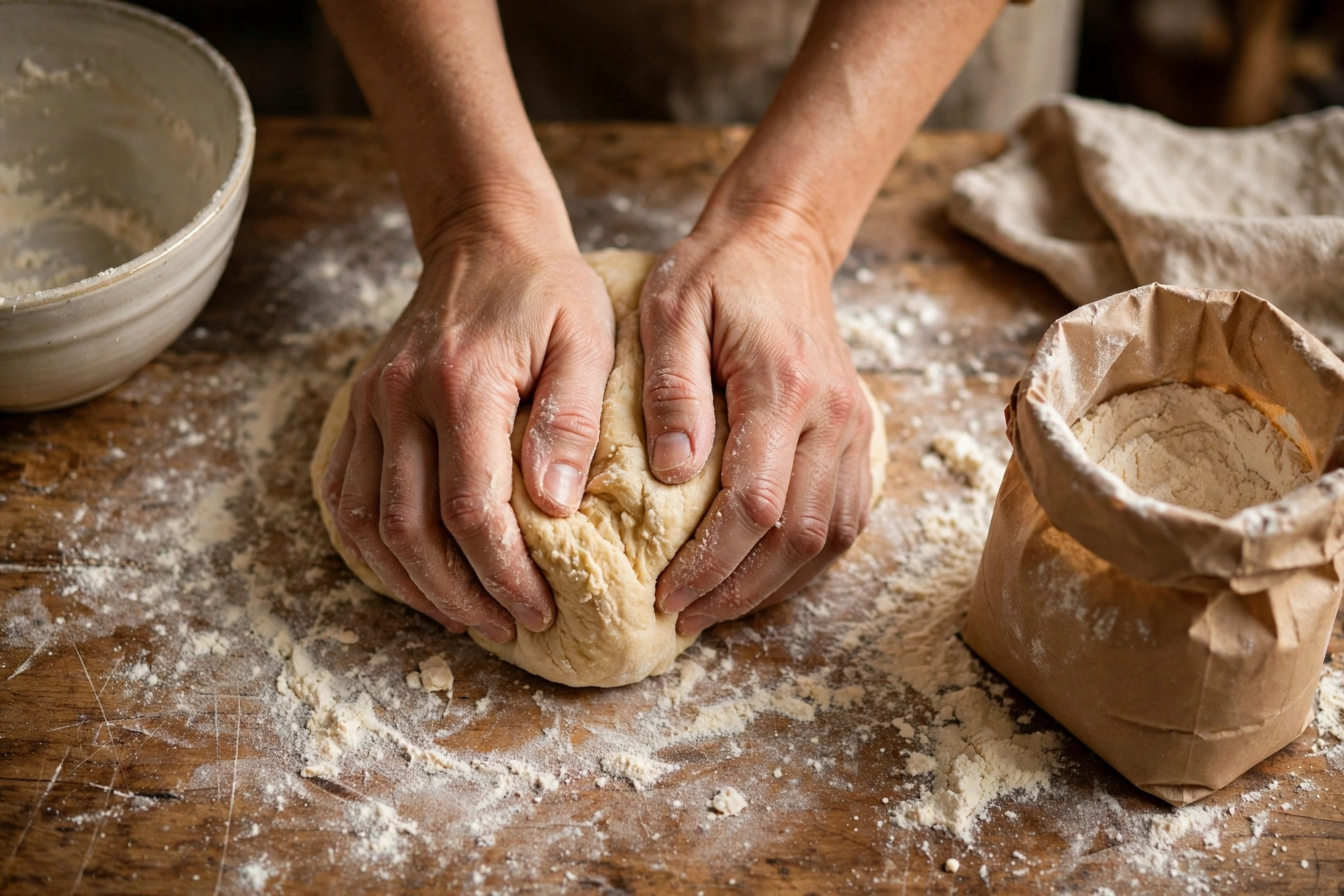
Baking looks expensive until you price the kit. A five-pound bag of flour costs $2.38 for the Great Value store brand or $6.95 for King Arthur all-purpose, according to a price survey updated in August 2026. A three-packet strip of active dry yeast costs about $1.99. Granulated sugar costs $3.25 for four pounds, and a dozen eggs costs $2.27 at the Bureau of Labor Statistics’ September 2026 US average. Add them up and the first month costs $9.89 with store-brand flour or $14.46 with King Arthur — about $10 to $14.50, salt, oil and water assumed already in the kitchen.
The per-loaf maths is what makes baking cheap. A five-pound bag of flour makes about five loaves. King Arthur flour works out at $1.39 a pound, so a loaf costs about $2.10 in ingredients: $1.39 of flour, about $0.66 of yeast, and a few cents of sugar and salt. With store-brand flour at about $0.48 a pound, the same loaf costs about $1.20. Two to three hours a week covers a loaf or two, most of it waiting for the dough to rise. The result is edible the same day, and a finished loaf is a finished project.
Start with a plain white loaf, not sourdough. Sourdough needs a starter kept alive for weeks before the first bake, which is a second hobby disguised as a first step. A failed white loaf is still edible as toast, so a bad bake costs about two dollars — and the second attempt is usually better, because the mistake is obvious once the loaf is out of the oven.
Then $23 to $25: Bodyweight Fitness and Gardening
Bodyweight fitness needs no equipment — a carpet or a towel is enough for the floor work — but a mat makes it more comfortable, and it is the only purchase. A Gaiam Thick Yoga Mat costs about $23 on Amazon, checked on 2 November 2026, and $24.98 in a check on 22 September 2026, so budget about $23 to $25. There is no membership, no travel and no booking.

Two and a half hours a week is the working amount — thirty minutes on five days — built around five moves: squats, push-ups, a plank, lunges and glute bridges. Start with a free beginner routine from a public health source — the NHS publishes free ten-minute home workouts — rather than any paid app. It sticks the same way walking does: there is nowhere to go and nothing to set up. Form matters more than effort in the first month, so go slowly and stop if anything hurts.
Gardening from seed is the most expensive hobby in this guide, at about $25. Four seed packets cost about $14 — radish packets run from $2.50 at Reimer Seeds to $4.95 at TomorrowSeeds — and one 1.5-cubic-foot bag of potting mix costs $8 to $12. That is $22 to $26 in total, and the containers cost nothing if you reuse yoghurt tubs and takeaway boxes with drainage holes punched in the bottom.
Two hours a week is enough, and the first result comes fast. Radishes mature in 22 to 30 days — the Cherry Belle variety is ready in 22 — and salad leaves are ready in about four weeks. Tomatoes and peppers need six to eight hours of direct sun a day, so start with radishes and salad leaves, which tolerate less light and forgive a missed watering. Gardening sticks because something alive depends on you, and it shows it. A seedling that doubles in a week is a better reward than any app badge.
What Each Price Band Buys
The six hobbies fall into three price bands, and the band is the decision. If you have nothing to spend, the free band is the whole answer. If you have ten to sixteen dollars, sketching or baking adds a finished object.
| Price band | Hobbies | First-month cost | Time per week | What you get by the end of month one |
|---|---|---|---|---|
| $0 | Walking and hiking; reading from the library | $0 | 3 to 3.5 hours | Miles walked and a finished book |
| $10 to $16 | Sketching; baking | About $10 to $16 | 2 to 3 hours | A stack of finished sketches and loaves you baked |
| $23 to $25 | Bodyweight fitness; gardening from seed | About $23 to $25 | 2 to 2.5 hours | A routine you can repeat and seedlings growing |
Comparison: first-month costs for one adult, US prices checked November 2026. The free band costs nothing; sketching is $6.99 plus $8.95 and baking is $9.89 with store-brand flour or $14.46 with King Arthur; bodyweight fitness is free without a mat or about $23 with a Gaiam thick yoga mat, and gardening is four seed packets at about $14 plus potting mix at $8 to $12.
The Test, After the Fact: Three Rules Worth Keeping
Three rules decide whether a hobby belongs on this list, and they are worth checking once you have tried one. First, the first month must cost under $25 including everything you have to buy — not just the headline item, but the whole kit. Second, no subscription may be needed to start: if you have to pay monthly before you have done it once, it fails. Third, two to three hours a week must be enough to make real progress.
The time is there. The Bureau of Labor Statistics’ American Time Use Survey for 2024 found that Americans aged 15 and over average 5.1 hours a day on leisure and sports — and television takes 2.6 of those hours, over half the total. The busiest age group, 35 to 44, still averages 3.8 hours of leisure a day, far more than these hobbies need.
Key Takeaways
- Free first. Walking and reading cost nothing, and they are the right place to start: thirty minutes a day, five or six days a week, no kit and no subscription.
- Under $25 to start, whatever you choose. Sketching costs about $16, baking about $10 to $14.50, gardening about $25, and bodyweight fitness nothing without a mat or about $23 with one.
- Two to three hours a week is enough. The Bureau of Labor Statistics found Americans average 5.1 hours of leisure a day, with television taking 2.6 of them. These hobbies need a fraction of that.
- A visible result keeps you going. A finished sketch, a loaf of bread, a sprout, a finished book: every hobby here ends in something you can see, eat or shelve inside the first month.
- Cap the loss and fix the slot. If you have not done a hobby at least eight times in the first month, stop. And never pay a monthly fee or upgrade your kit before three months of regular use.
Frequently Asked Questions
What is the cheapest hobby to start in 2026?
Two of them cost nothing at all. Walking needs only the shoes you already own, and a library card is free for residents at most US public libraries, so reading costs nothing either. Of the hobbies that need a purchase, sketching is cheapest at about $16 for the pad and pencil set.
How much time does a hobby need each week?
Two to three hours, which is thirty minutes a day on five or six days. That is a small share of the 5.1 hours of daily leisure the Bureau of Labor Statistics recorded for 2024. Television alone takes 2.6 of those hours, so the time is already there — it is a question of what it is spent on.
Which hobby should I try first if I have only $0?
Walking or reading, and the choice is about what you enjoy rather than what you can afford. Walking gets you outside and pairs with a podcast or a phone call; reading gives you a finished book every week or two. Both take about thirty minutes a day, and both can be started today with nothing to buy.
What if I get bored after two weeks?
That is what the eight-times rule is for. If you have not done it at least eight times in the first month, stop — that is not failure, it is the system working as designed. A cheap start means quitting costs at most $25, and usually nothing, so you can try the next hobby on the list without guilt.
Should I buy good equipment first?
No. Start with the cheapest kit that works — a $6.99 sketch pad, a $23 yoga mat, store-brand flour — and upgrade only after three months of regular use. By then you know what you actually need, and the upgrade rewards a habit that already exists instead of betting on one that does not.
Can a hobby actually save money?
Sometimes, but only count savings on things you would genuinely have bought anyway. A homemade loaf at about $2.10 replaces a bakery loaf; a library book replaces a bought one. Walking replaces nothing you were paying for, and that is fine — its value is the time outside, not the money.
Sources
- US Bureau of Labor Statistics, “American Time Use Survey — 2024 Results” — Americans aged 15 and over averaged 5.1 hours a day on leisure and sports; television 2.6 hours a day; ages 35 to 44 averaged 3.8 hours a day; ages 75 and over read for 46 minutes a day, ages 15 to 19 for 9 minutes. https://www.bls.gov/news.release/archives/atus_06262025.htm — accessed 9 November 2026.
- US Bureau of Labor Statistics, “Average Retail Food and Energy Prices, US city average, September 2026” — eggs, grade A large, $2.27 a dozen. https://www.bls.gov/news.release/archives/cpi_10102026.htm — accessed 9 November 2026.
- ThePricer, “How Much Does a Bag of Flour Cost?” (updated 20 August 2026) — five-pound all-purpose flour from $2.38 for Great Value to $6.95 for King Arthur. https://www.thepricer.org/the-cost-of-flour/ — accessed 9 November 2026.
- ThePricer, “How Much Does Yeast Cost?” (updated 9 October 2026) — three-packet baking yeast strips about $1.99; Target lists three Fleischmann’s RapidRise packets at $1.99. https://www.thepricer.org/the-cost-of-yeast/ — accessed 9 November 2026.
- Family Dollar, “Chestnut Hill Granulated Sugar, 4 lbs” — $3.25, updated 8 November 2026. https://www.familydollar.com/chestnut-hill-granulated-sugar-4lbs/FD1218999 — accessed 9 November 2026.
- Amazon.com, “Strathmore 200 Series Sketch Pad, 9×12 inch, 100 Sheets” — $6.99. https://www.amazon.com — accessed 9 November 2026.
- Rainbow Resource, “Staedtler Mars Lumograph Sketching Set (8 pieces)” — $8.95; six pencils, one eraser, one metal sharpener. https://www.rainbowresource.com/008554.html — accessed 9 November 2026.
- RankingRight, “Gaiam Essentials Thick Yoga Mat review” — $24.98 on Amazon, prices checked 22 September 2026. https://www.rankingright.com/fitness-wellness/review/gaiam-essentials-thick-yoga-mat — accessed 9 November 2026.
- UMT Smart Tool, “7 Best Yoga Mats: Gaiam, Manduka, Retrospec (2026)” — Gaiam Thick Yoga Mat about $23 on Amazon.com on 2 November 2026. https://umtsmarttool.com/best-yoga-mats/ — accessed 9 November 2026.
- Reimer Seeds, “Cherry Belle Radish Seeds” — matures in 22 days; packet price $2.50. https://www.reimerseeds.com/cherry-belle-radish-seeds — accessed 9 November 2026.
- TomorrowSeeds, “Champion Radish Seeds” — matures in 25 to 30 days; packet price $4.95. https://tomorrowseeds.com/products/champion-radish-1 — accessed 9 November 2026.
- GardenerBible, “How Much Does Soil Cost at Home Depot?” — potting soil 1.5 cubic feet, $8–$12 per bag. https://gardenerbible.com/how-much-does-soil-cost-at-home-depot/ — accessed 9 November 2026.
- Wisconsin Department of Public Instruction, “The Empowerment of a Library Card” — “Free of charge, a library card provides access to essential items, such as books, various forms of media, computers with internet.” https://dpi.wi.gov/wilibrariesforeveryone/empowerment-library-card — accessed 9 November 2026.
- Ann Arbor District Library, “Library Cards” — resident cards with no fee; non-resident card $150.00 per year. https://aadl.org/cards — accessed 9 November 2026.
Prices are US retail examples checked in November 2026 and vary by region, store and season — confirm current prices locally before buying. The worked examples are illustrative, built from the published figures cited above, not a real household, and no result is promised.